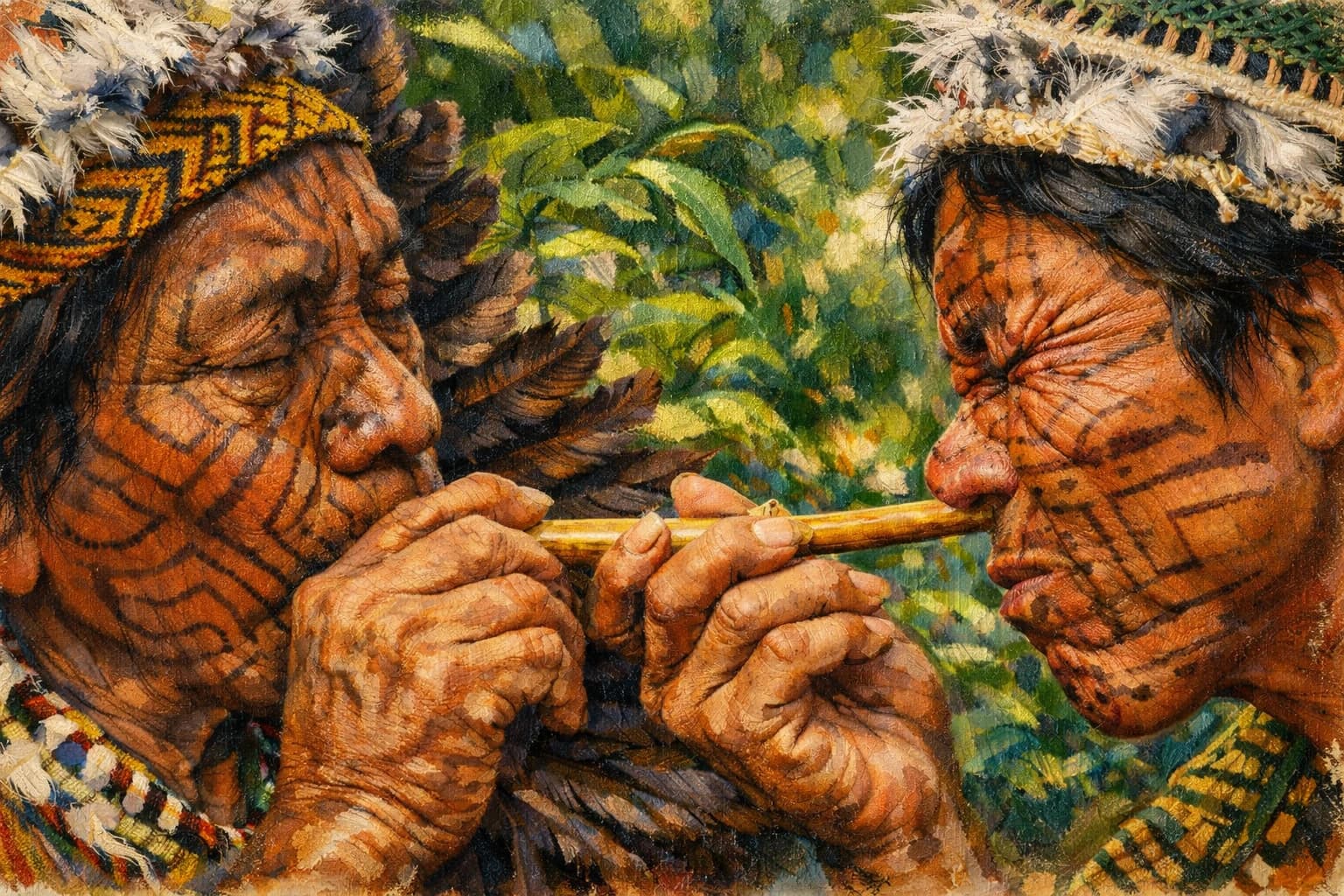
Among the many tools preserved by the indigenous peoples of the Amazon basin, few are as immediate and precise as Rapeh (pronounced "ha-PEH"). It is not a psychedelic. It is not a recreational substance. It is a finely ground sacred snuff - a blend of potent Amazonian Mapacho tobacco (Nicotiana rustica) and ashes from specific sacred trees - that has been used for centuries by tribes such as the Huni Kuin (Kaxinawá), the Katukina, and the Yawanawá as a tool for clearing the mind, grounding the body, and recalibrating the nervous system.
In my practice, I work with Rapeh as a complementary medicine - a way to anchor a person back into their body when the noise of the mind becomes too loud.
What Is Rapeh, Exactly?
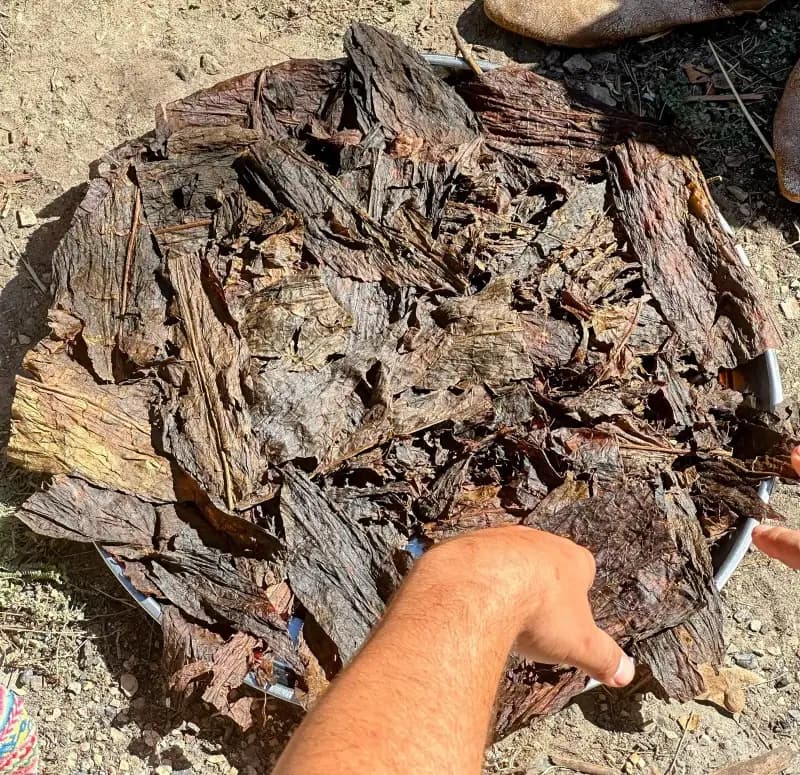
Rapeh is a dry powder prepared by indigenous healers (pajés) through a meticulous process. The base is always Mapacho - a species of tobacco native to the Amazon that contains significantly higher concentrations of nicotine than commercial cigarettes, but is used in a completely different context and delivery method.
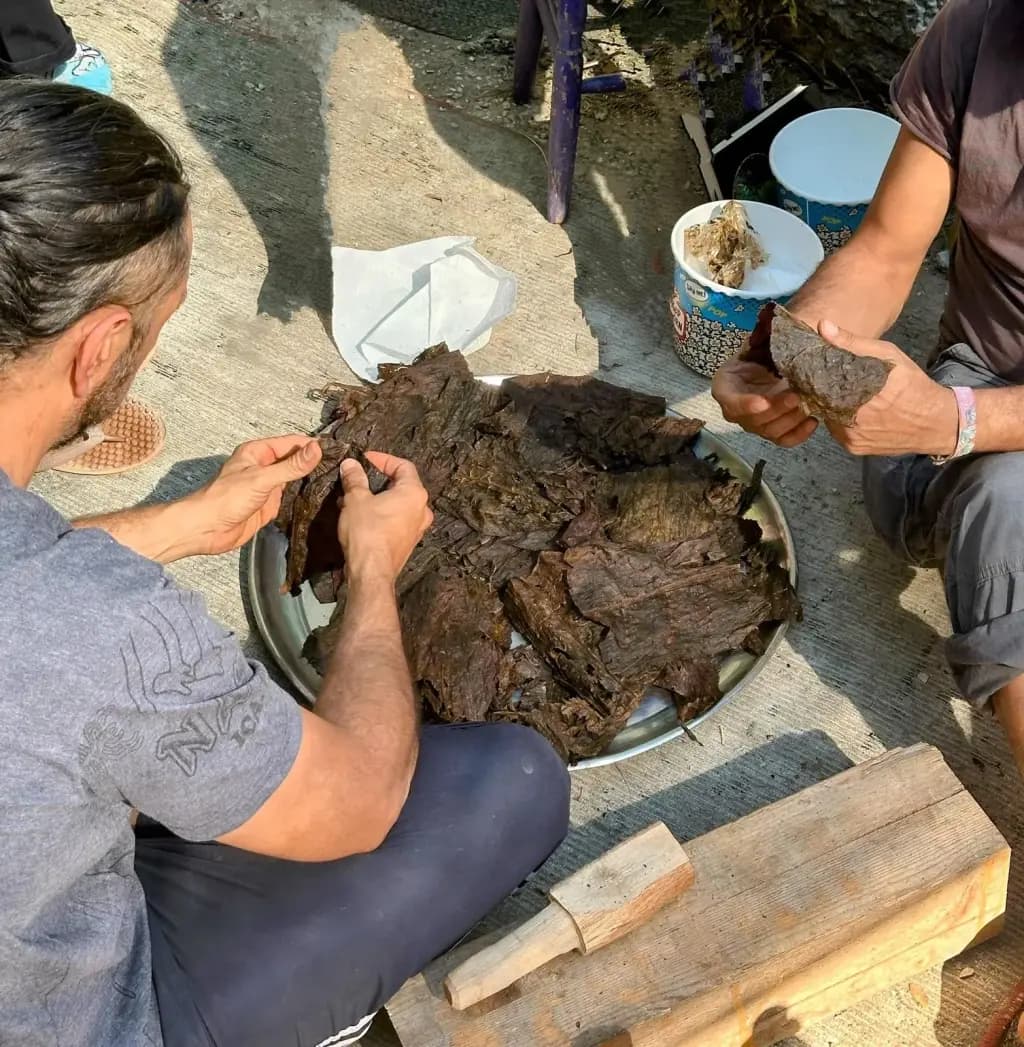
The Mapacho is blended with ashes from sacred trees - most commonly Tsunu, Murici, or Paricá - each adding its own energetic and physical quality to the blend. Some recipes include additional medicinal plants, and the specific composition varies by tribe, lineage, and intended purpose.
The critical distinction: Rapeh is not smoked. It is administered as a fine powder blown directly into the nasal passages. This delivery method bypasses the lungs entirely and allows the active compounds to reach the bloodstream - and the brain - through the highly vascular nasal mucosa within seconds.
How Does Rapeh Affect the Body?
The immediate physical response to Rapeh is powerful and unmistakable. Understanding these mechanisms helps explain why indigenous peoples consider it far more than "just tobacco."
Sinus Clearing and Respiratory Reset
The moment Rapeh enters the nasal passages, it triggers an intense clearing response. The mucous membranes react to the alkaline ash and tobacco compounds, producing an immediate decongestion effect. Chronic sinus blockages, built-up mucus, and stagnant energy in the head area are physically expelled. Many people describe the sensation as having their "head wiped clean" - a sudden clarity in the sinuses and frontal area that they hadn't realized was missing.
Pineal Gland Stimulation
The nasal passages sit in direct anatomical proximity to the pineal gland - the small endocrine structure deep in the brain that regulates melatonin production, circadian rhythms, and what many traditions describe as the "third eye." The alkaloids and nicotine in Rapeh, delivered through the nasal mucosa, stimulate this region in a way that many recipients describe as a sudden sharpening of awareness - a feeling of the visual field becoming crisper and the mind becoming quiet.
Nervous System Reset and Deep Tension Release
Nicotiana rustica activates nicotinic acetylcholine receptors throughout the body. In the context of Rapeh administration - a single, intentional dose rather than chronic use - this produces a rapid parasympathetic activation: the heart rate may briefly spike and then drop, muscles that were holding unconscious tension release, and the body enters a state of deep grounding. People who carry chronic tension in the jaw, shoulders, or gut often report a noticeable softening within minutes.
What Is the Purpose of Rapeh?
The indigenous use of Rapeh is not recreational - it is functional. Hunters used it before entering the forest to sharpen their senses. Healers use it before ceremony to clear their own field. In modern practice, the purposes remain remarkably consistent:
- Grounding: Rapeh pulls scattered attention out of the head and anchors it firmly in the body. For people who live in a state of mental overactivity - overthinking, anxiety loops, dissociation - this is often the most immediately noticeable effect.
- Mental clearing: The "mental noise" that most people carry - unfinished thoughts, background worries, cognitive fog - is interrupted by the sheer physical immediacy of the Rapeh experience. The mind goes quiet, not through suppression, but through a reset.
- Laser focus: After the initial clearing, many people describe a state of calm, precise focus. Not stimulation in the jittery sense, but a clean alertness - the ability to be fully present without effort.
- Energetic clearing: In the framework of Amazonian medicine, Rapeh is understood to clear "panema" - stagnant or heavy energy that accumulates in a person's field. Whether you understand this in energetic or purely physiological terms, the subjective experience is consistent: people feel lighter, cleaner, and more aligned after receiving Rapeh.
How Is Rapeh Administered?
Rapeh is never snorted or self-inhaled in the way one might imagine. It is blown - with force and precision - into each nostril using one of two traditional instruments:
Tepi: The Practitioner's Pipe
A Tepi is a long, V-shaped pipe used by a practitioner to blow Rapeh into another person's nostrils. The practitioner loads a measured dose into the pipe, the recipient closes the back of their throat (to prevent swallowing the powder), and the practitioner delivers a firm, controlled breath through the pipe.
This is the traditional method, and for good reason: the practitioner's breath carries intention. In indigenous practice, the act of blowing Rapeh is not mechanical - it is an energetic exchange. The quality of the practitioner's presence, focus, and intention directly affects the quality of the experience.
Kuripe: The Self-Administration Pipe
A Kuripe is a smaller, V-shaped pipe that allows a person to blow Rapeh into their own nostrils. One end goes into the mouth, the other into the nostril, and the person uses their own breath to administer the dose.
The Kuripe is useful for personal daily practice, but it lacks the dimension of receiving from another person's intentional breath.
The Role of Intention
In both methods, intention is not optional - it is the mechanism. Before receiving Rapeh, the recipient sets a clear intention: what they want to release, what they want to call in, or simply the willingness to be present. The medicine responds to the clarity of this intention. This is not metaphor - anyone who has worked with Rapeh consistently will confirm that the experience differs dramatically based on the quality of presence brought to it.
Rapeh and Kambo: A Complementary Practice
In my work with Kambo, Rapeh serves as a powerful complementary tool. The two medicines come from the same Amazonian tradition and work on different but interconnected levels:
Before Kambo: Rapeh administered before a Kambo session helps the participant arrive fully in their body. It clears mental noise, settles anxiety about the upcoming process, and opens the nasal passages - which supports deeper breathing during the intense physical phase of Kambo.
After Kambo: Following the purge and integration phase of a Kambo session, Rapeh helps consolidate the experience. It grounds the participant, clears any residual heaviness, and supports the transition back into ordinary awareness with clarity rather than fog.
The combination is not accidental. Indigenous practitioners have used these medicines together for generations because they complement each other precisely: Kambo works deep in the body's biochemistry and lymphatic system, while Rapeh works on the nervous system, the breath, and the mental field. You can read more about the Kambo process to understand how the two practices integrate.
You're welcome to read more about who Kambo treatment may be right for.
FAQ
No. Rapeh is made from Nicotiana rustica (Mapacho), a species of tobacco native to the Amazon that is significantly more potent than commercial tobacco (Nicotiana tabacum). It is blended with sacred tree ashes and administered nasally, not smoked. The context, preparation, and delivery method are entirely different from recreational tobacco use.
When used in a ceremonial or intentional context - as a tool rather than a habit - Rapeh does not typically produce the compulsive addictive pattern associated with cigarette smoking. The nicotine is present, but the manner of use (occasional, intentional, in measured doses) is fundamentally different from chronic smoking. That said, anyone with a known nicotine sensitivity or addiction history should discuss this openly with their practitioner.
The nasal passages are in direct anatomical proximity to the pineal gland. The alkaloids in Rapeh, delivered through the highly vascular nasal mucosa, stimulate this region - which is associated with melatonin regulation, circadian rhythms, and heightened awareness. Many recipients describe a sharpening of focus and a quieting of the mind.
Yes, self-administration with a Kuripe is a legitimate practice. However, if you are new to Rapeh, it is strongly recommended to first receive it from an experienced practitioner using a Tepi. This allows you to understand the correct dosage, breathing technique, and the depth of the experience before working with it independently.
Most people describe it as a sudden sense of lightness and mental clarity - as if a layer of heaviness or fog has been physically removed. The sinuses clear, the mind goes quiet, and there is a noticeable grounding sensation in the body. Some people experience watery eyes or brief emotional release as part of the clearing process.
Rapeh and Kambo are complementary medicines from the same Amazonian tradition. Rapeh before Kambo helps ground the participant and clear mental noise. Rapeh after Kambo consolidates the experience and supports a clear, grounded transition back to ordinary awareness. Indigenous practitioners have combined them for generations.
People with severe cardiovascular conditions, uncontrolled high blood pressure, or those who are pregnant should avoid Rapeh. Anyone with a history of nasal surgery or chronic nasal conditions should consult with their practitioner first. As with any medicine, open communication with your practitioner about your health history is essential.